 Skip to main content

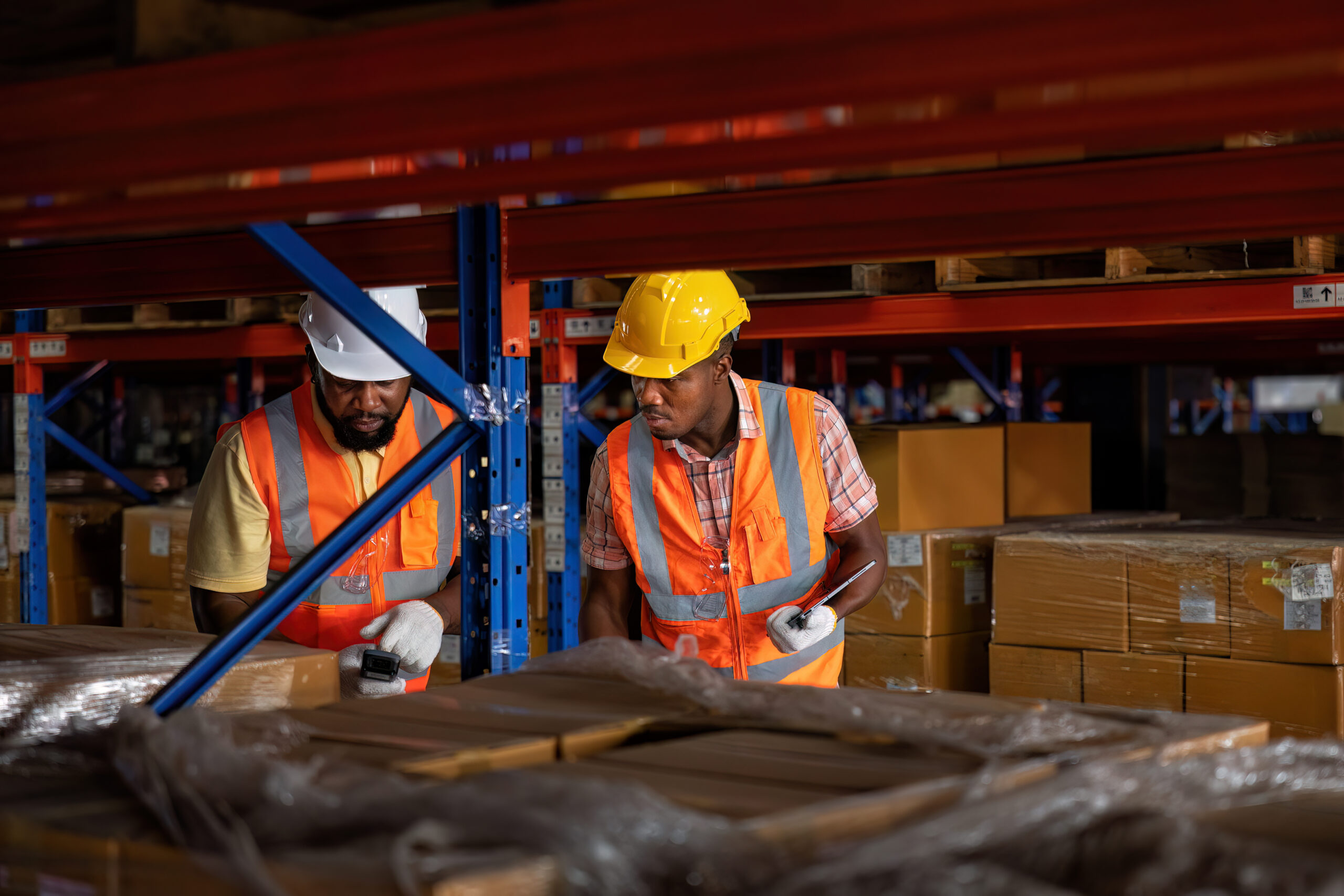
A successful warehouse relies on far more than systems, stock and square footage. Ultimately, its performance depends on having the right people in the right roles at the right time.
That sounds simple enough, but warehouse recruitment can quickly become complicated.
Demand changes. Peak periods arrive. Employees leave. Absence creates gaps in rotas. New contracts increase volumes. Experienced forklift drivers become difficult to find just when you need them.
The result is that warehouse recruitment is rarely a single hiring exercise. For many businesses, it is an ongoing process of balancing permanent workforce requirements with the flexibility to respond when circumstances change.
In this guide, we’ll look at how employers can approach warehouse recruitment more effectively, from deciding which roles they need through to attracting, screening and retaining reliable warehouse staff.
Understanding Warehouse Recruitment
Warehouse recruitment covers a surprisingly broad range of positions.
At one end are high-volume operational roles such as picking, packing and general warehouse work. At the other are skilled, licensed and supervisory positions that may require considerable experience.
The challenge for employers is therefore not simply finding "warehouse staff".
It's finding people suited to a particular environment.
A fast-moving eCommerce fulfilment centre may need something very different from a manufacturer managing raw materials, while a large distribution operation may require specialist equipment licences and experience of complex warehouse systems.
Effective Warehouse Recruitment starts with understanding those differences.
Before looking for candidates, employers should consider the working environment, shift patterns, physical requirements, equipment, systems and expectations associated with the position.
The Roles Warehouses Need
Modern warehouses employ people across a wide range of disciplines.
Depending on the operation, recruitment requirements might include:
- Warehouse operatives
- Pickers and packers
- Goods-in operatives
- Goods-out operatives
- Dispatch operatives
- Forklift drivers
- Counterbalance drivers
- Reach truck drivers
- Stock controllers
- Inventory controllers
- Warehouse administrators
- Team leaders
- Shift supervisors
- Warehouse managers
Some roles require specific licences or previous experience. Others can provide excellent entry points for candidates with the right attitude who can be trained internally.
This distinction matters.
Requiring two years of warehouse experience for a position that could realistically be learned within a few weeks can unnecessarily restrict the candidate pool.
Equally, treating a skilled forklift or supervisory role as interchangeable with general warehouse work can result in unsuitable applicants and wasted recruitment time.
Good recruitment begins by separating what a candidate must already know from what the business can realistically teach them.
Temporary or Permanent Warehouse Staff?
Not every staffing requirement needs the same solution.
Permanent recruitment provides stability and is usually appropriate where there is an ongoing requirement for the role. Permanent employees can develop their knowledge of your systems, processes and culture over time and become an important part of the operation.
Temporary staffing provides something different: flexibility.
A business may need additional people because of:
- Seasonal demand
- A large new order
- Holiday periods
- Employee absence
- A short-term project
- An unexpected increase in volume
- A new contract
- A permanent vacancy that hasn't yet been filled
In these situations, Temporary Recruitment allows businesses to increase workforce capacity without immediately increasing their permanent headcount.
For many warehouses, the most effective model is a combination of both.
A stable permanent team provides consistency, while a trusted pool of temporary workers gives the operation the ability to respond when demand changes.
Attracting the Right Candidates
Recruitment works both ways.
Employers assess candidates, but candidates are also deciding whether they want to work for the employer.
Salary naturally matters, but it isn't the only consideration.
Warehouse candidates may also compare:
- Shift patterns
- Guaranteed hours
- Overtime availability
- Workplace location
- Transport options
- Break arrangements
- Working environment
- Training
- Progression opportunities
- Job security
Clarity is particularly important.
An advert promising "competitive pay" and "varied duties" tells a candidate very little.
Where possible, explain what the job actually involves.
What time does the shift start? What will they spend most of the day doing? Is overtime available? Is the role temporary or permanent? Is specialist equipment involved?
Giving candidates a realistic picture of the position can reduce unsuitable applications and help prevent people accepting jobs that aren't right for them.
Screening Warehouse Staff
A CV only tells part of the story.
For many warehouse roles, reliability, attitude and consistency can be every bit as important as previous experience.
Screening should therefore consider more than job titles.
Depending on the position, employers or their recruitment partner may need to consider:
- Relevant employment history
- Appropriate licences and certifications
- Shift availability
- Transport and ability to reach the workplace
- Right to work
- Relevant experience
- References
- Health and safety awareness
- Communication
- Reliability
For licensed roles, qualifications obviously need to be appropriate and current.
For less specialised positions, employers may benefit from taking a broader view.
A candidate without extensive warehouse experience but with a strong employment record, good attitude and willingness to learn could ultimately prove more valuable than somebody with years of experience and a poor record of reliability.
The objective isn't to find the person with the longest CV.
It's to find somebody likely to succeed in the role.
Improving Warehouse Staff Retention
Recruitment becomes expensive when businesses continually recruit the same positions.
Reducing staff turnover can therefore be one of the most effective ways to reduce recruitment costs.
Pay will always play a part, but retention is influenced by much more.
Consider the employee's experience from their first interaction with your business.
Were the role and shift accurately described?
Did somebody know they were arriving on their first day?
Were they shown what to do?
Did they understand what was expected of them?
Were problems dealt with quickly?
Small failures during onboarding can create a poor impression very early in the employment relationship.
Consistency also matters.
If candidates are recruited for one shift pattern but repeatedly asked to work another, or if the day-to-day job bears little resemblance to what was advertised, turnover shouldn't be surprising.
Good retention often begins with honest recruitment.
Planning for Peaks in Demand
One of the advantages warehouses have over many other businesses is that periods of increased demand can often be predicted.
Christmas doesn't arrive unexpectedly.
Neither do many seasonal promotions, planned product launches or known contract start dates.
Yet recruitment frequently begins only when additional staff are already required.
That immediately puts the business under pressure.
Starting earlier provides more time to identify candidates, complete checks, organise induction and ensure people are ready when volumes increase.
It also reduces dependence on whichever candidates happen to be available at the last minute.
Historical workforce data can be particularly useful here.
Look at previous periods of peak demand:
- How many additional employees were needed?
- Which shifts were hardest to cover?
- How much overtime was used?
- Where did bottlenecks occur?
- How many temporary employees were retained?
- How long did recruitment take?
That information can turn seasonal recruitment from an emergency response into a planned workforce strategy.
Working With a Warehouse Recruitment Agency
There are times when recruiting directly makes perfect sense.
There are also situations where specialist support can provide significant value.
A warehouse recruitment agency can be particularly useful when employers need to recruit at volume, find people quickly or access candidates outside their usual recruitment channels.
A good recruitment partner should do more than forward CVs.
They should understand:
- How your operation works
- Which roles you regularly recruit
- Your shift patterns
- The working environment
- The qualities that make somebody successful within your team
- Your expected peaks in demand
- Your longer-term workforce plans
Over time, this knowledge makes recruitment faster because the agency isn't starting from scratch every time another vacancy appears.
The relationship becomes particularly valuable when something unexpected happens.
If a large order lands, several employees are absent or production requirements suddenly increase, having a recruitment partner that already understands your operation can significantly reduce the time required to respond.
Key Takeaways
Effective warehouse recruitment is about building the right workforce rather than simply filling individual vacancies.
Employers should:
- Clearly define each warehouse role before recruiting
- Separate essential experience from skills that can be trained
- Consider a mixture of temporary and permanent staff
- Give candidates an accurate picture of the job
- Screen for attitude and reliability as well as experience
- Treat retention as part of the recruitment strategy
- Plan seasonal recruitment before demand arrives
- Build recruitment relationships before staffing becomes urgent
The result should be a workforce that is both reliable enough to support everyday operations and flexible enough to respond when circumstances change.
Frequently Asked Questions
What roles can a warehouse recruitment agency help fill?
Warehouse recruitment agencies can typically support a wide range of positions, including warehouse operatives, pickers and packers, goods-in and goods-out staff, forklift drivers, stock controllers, supervisors and warehouse managers. The roles available will depend on the individual agency's specialisms.
Should I use temporary or permanent warehouse staff?
It depends on the requirement. Permanent employees are generally better suited to stable, long-term positions, while temporary staff provide additional flexibility for seasonal demand, absence, projects and changes in workload. Many businesses use a combination of both.
How can I recruit warehouse staff more quickly?
Preparation makes a significant difference. Clearly defining the role, salary, shifts and essential requirements before recruitment begins reduces delays. Employers should also respond quickly when suitable candidates are identified, as good warehouse candidates may be considering several opportunities.
What should I look for when recruiting warehouse operatives?
Relevant experience can be valuable, but reliability, attitude, punctuality, safety awareness and willingness to learn can be equally important. The right balance depends on how specialised the individual position is.
When should I start recruiting for seasonal warehouse staff?
As early as reasonably possible. Starting before peak demand arrives gives employers a larger candidate pool and more time for screening, onboarding and training.
In Conclusion
Warehouses are constantly changing.
Order volumes rise and fall, employees come and go, new contracts arrive and seasonal peaks put additional pressure on operations.
Your workforce needs to be able to respond.
A strong warehouse recruitment strategy combines careful permanent hiring with the flexibility to access additional people when they're needed.
DMOS People supports businesses with temporary and permanent warehouse recruitment, helping employers find warehouse operatives, forklift drivers, supervisors and other essential team members.
Whether you're planning ahead for increased demand or need additional people now, speak to the DMOS People team about building a warehouse workforce that works for your business.